One idea that runs through everything
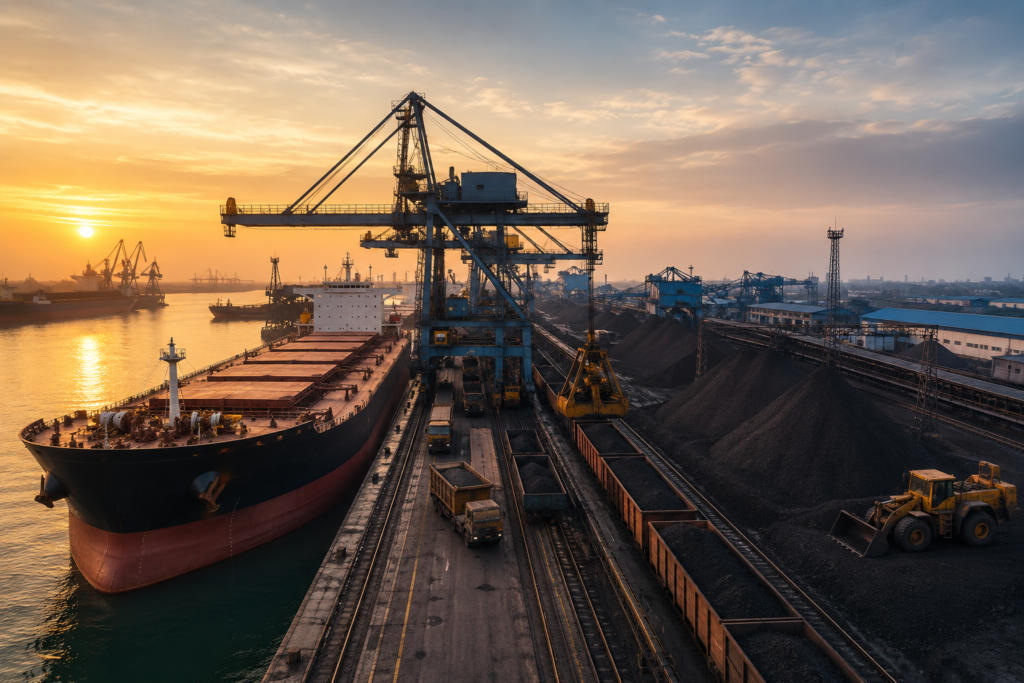
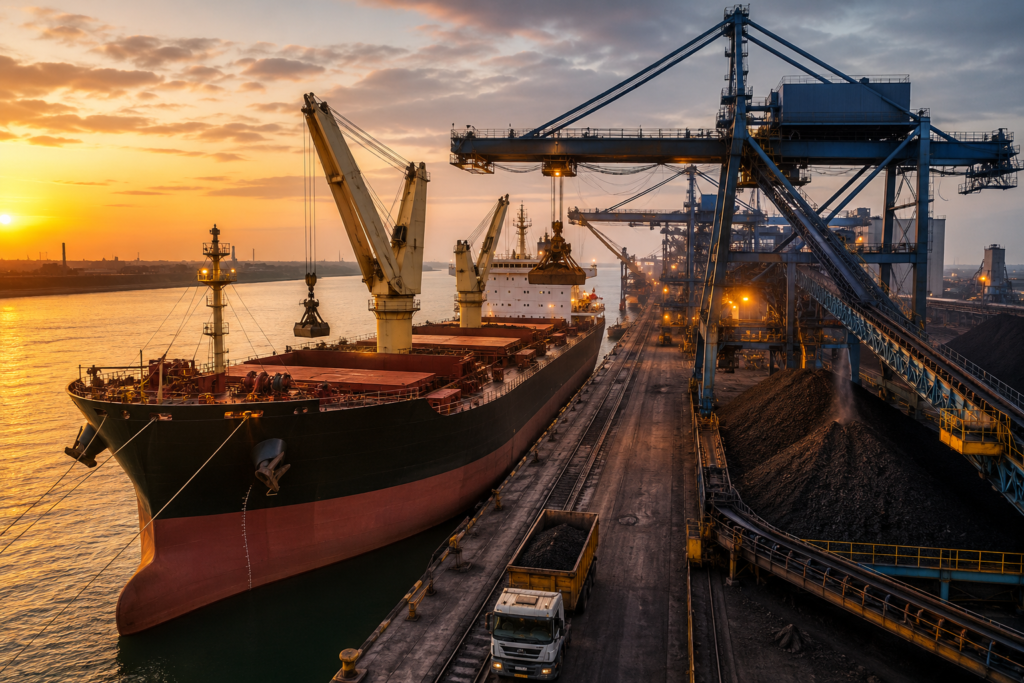
One tonne of iron ore sits on the quay at Tubarao in Brazil. A Chinese steel mill has bought it. The ore itself is worth about $110 landed in China.
To get there, it pays tolls. The big one is the ship. The going rate on this route is called C3, and brokers quote it every day. Through 2024 and 2025 C3 mostly traded between $17 and $31 a tonne, and it sits near $24 as I write. Call it $22 for our tonne.
Then come the quieter tolls. Loading at Tubarao and unloading at Qingdao: call it $8 for the pair. Rail or road to the mill: about $8 more. Brokers, insurers and agents clip another $1 or so. Total tolls: about $39 on a $110 tonne.
Here is the twist. The ship bills $22 and, over a full cycle, keeps $1 or $2 of profit on it. The two ports bill $8 and keep about $5. The biggest bill goes with the thinnest profit. The small toll booth keeps money.
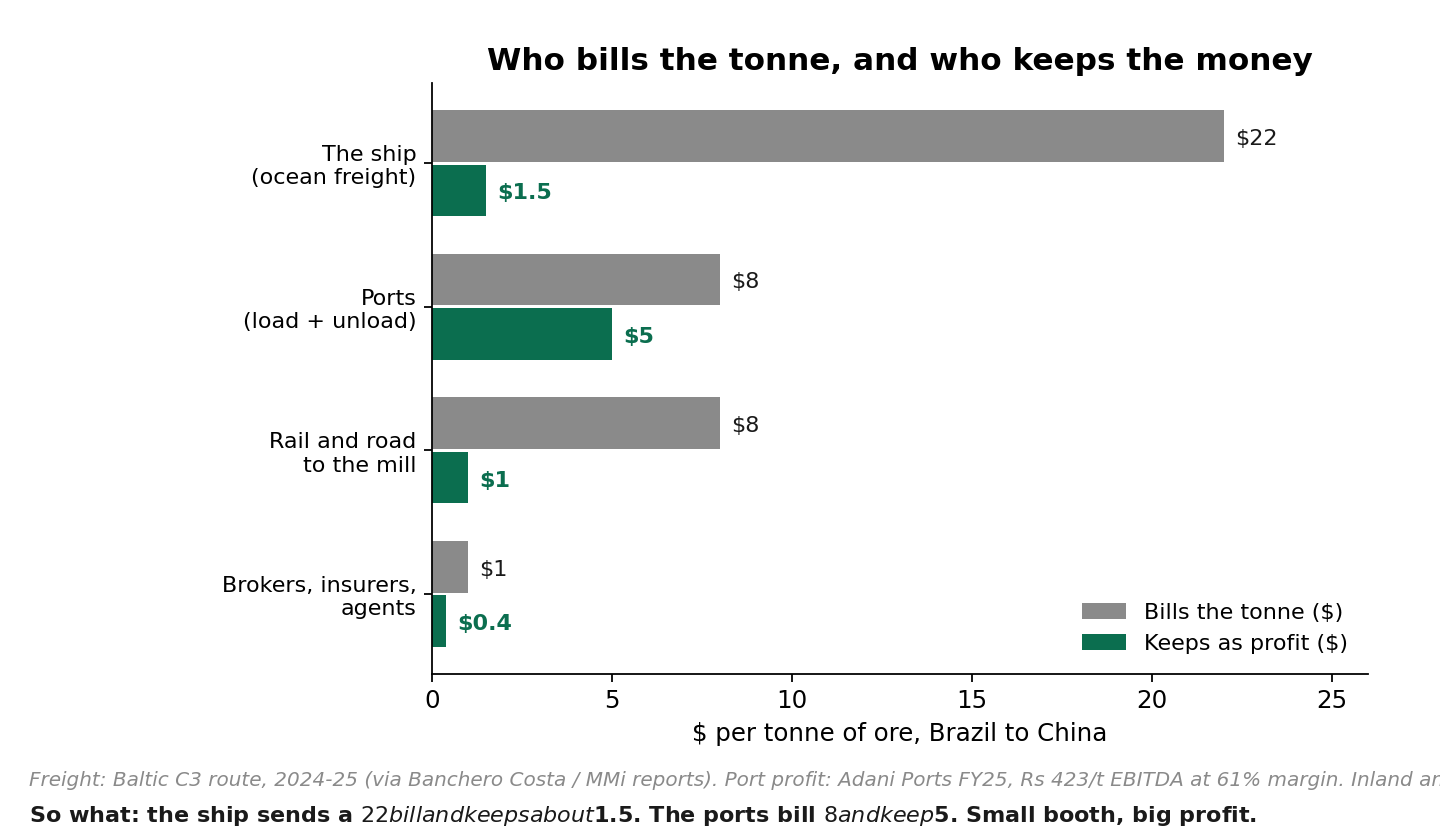
One look at that chart is the whole post. The rest explains why it looks that way.
How freight prices are set
Freight has no price list. It has surge pricing, like Uber. Every voyage is a small auction between a cargo owner and a ship owner, matched by a broker. When ships are scarce, the price explodes. When cargo is scarce, it collapses.
The scale is huge. Roughly 60,000 large merchant ships move about 12 billion tonnes of cargo a year. That is 1.5 tons for every person on Earth.
The famous scoreboard for dry cargo is the Baltic Dry Index (BDI). One chart of it tells you more about this industry than any report.
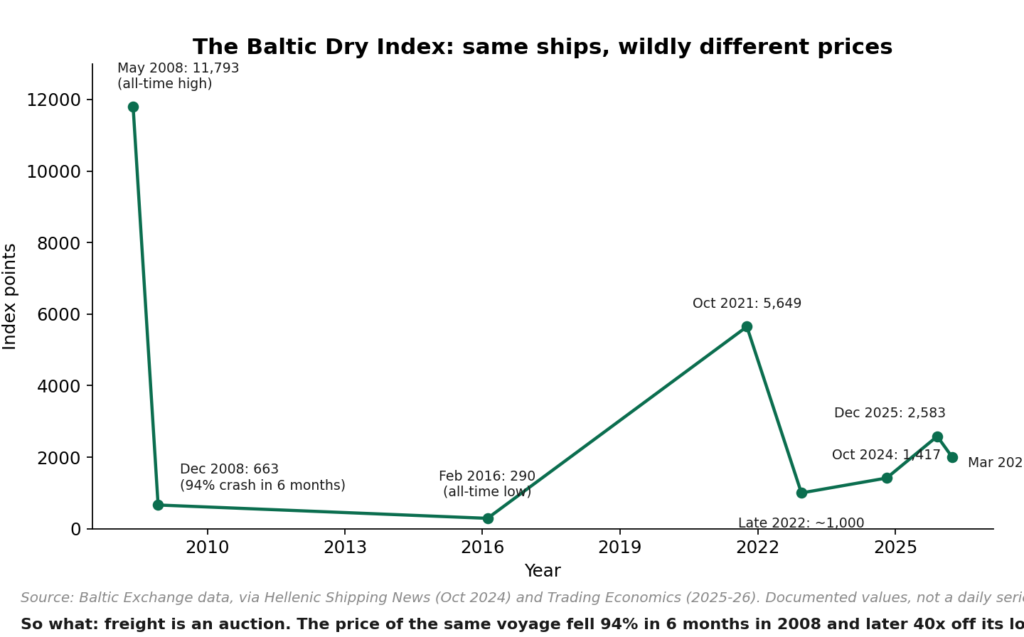
In May 2008 the index hit 11,793. By December 2008 it was 663. Same ships, same crews, same sea. The auction changed, and 94% of the price vanished in six months.
Timing the cycle
Why do the swings get so wild? Because supply arrives two years late.
Imagine a town where every restaurant takes two years to build. A food craze hits, and everyone starts building. Two years later, fifty new restaurants open in the same month, just as the craze dies. Shipping does this every single cycle.
A ship ordered today reaches the water in about two years and then floats for twenty-five. So when rates boom, owners order like mad, and the ships land in the bust.
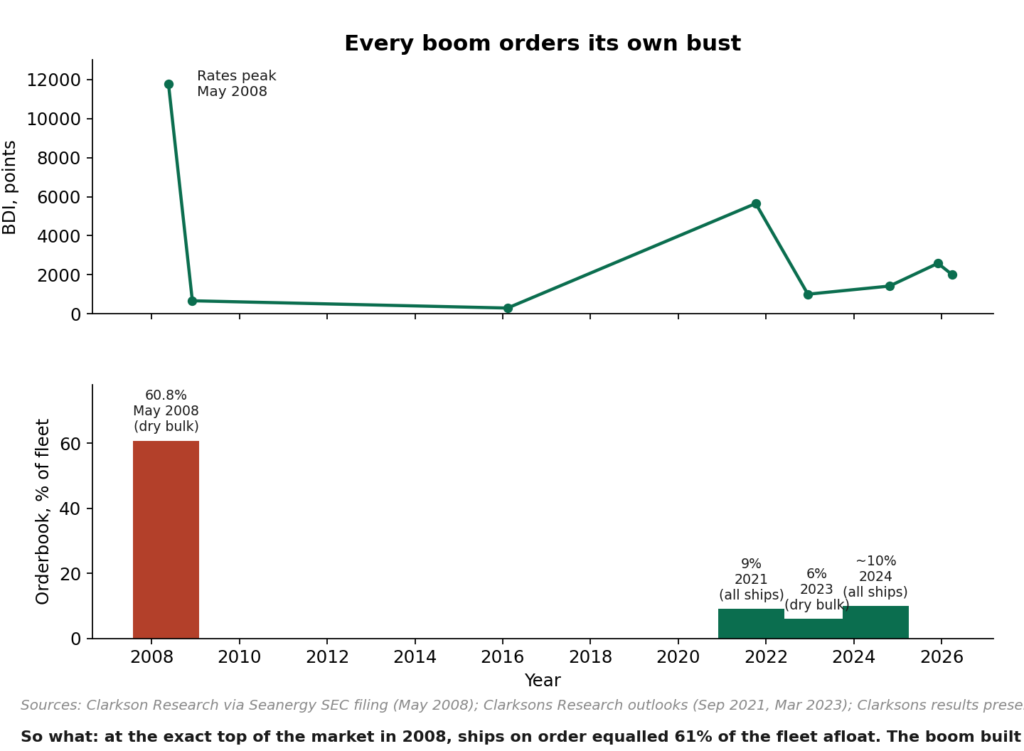
In May 2008, at the exact top, the dry bulk order book equaled 60.8% of the fleet already floating. Every one of those hulls was a promise to flood a market that was about to crash. The hangover ran close to ten years.
By 2023 the order book was down to 6%, which is why owners today make money at index levels that once meant losses.
GESCO’s way
Great Eastern Shipping (GESCO) is India’s largest private ship owner, and it plays this cycle the way a patient property investor plays flats: buy in the crash, collect rent, sell in the boom.
You can see it in public records.
- January 2017 – Bought two second-hand Suezmax crude tankers.
- March 2017 – Added a Supramax bulk carrier.
- September 2020 – Bought a VLGC gas carrier during the Covid downturn.
Today, with freight rates strong, it buys nothing. Instead it sits on roughly ₹5,450 crore in net cash, waiting for ship prices to fall before deploying capital.
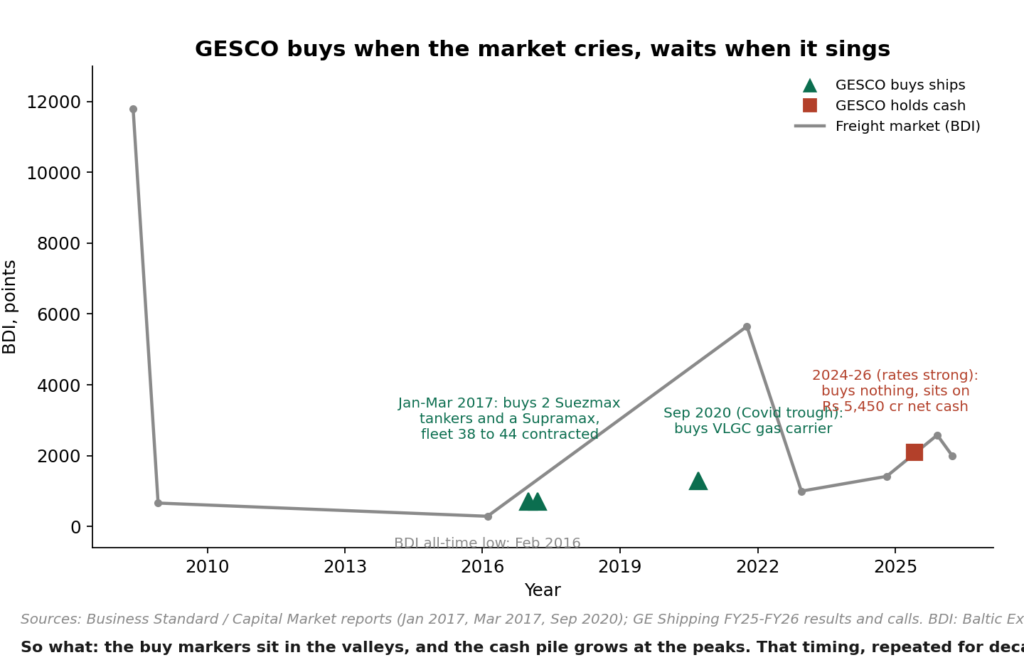
That is the entire skill: buying ships at the right point in the cycle, and having the cash and patience to wait.
The losers of the timing game
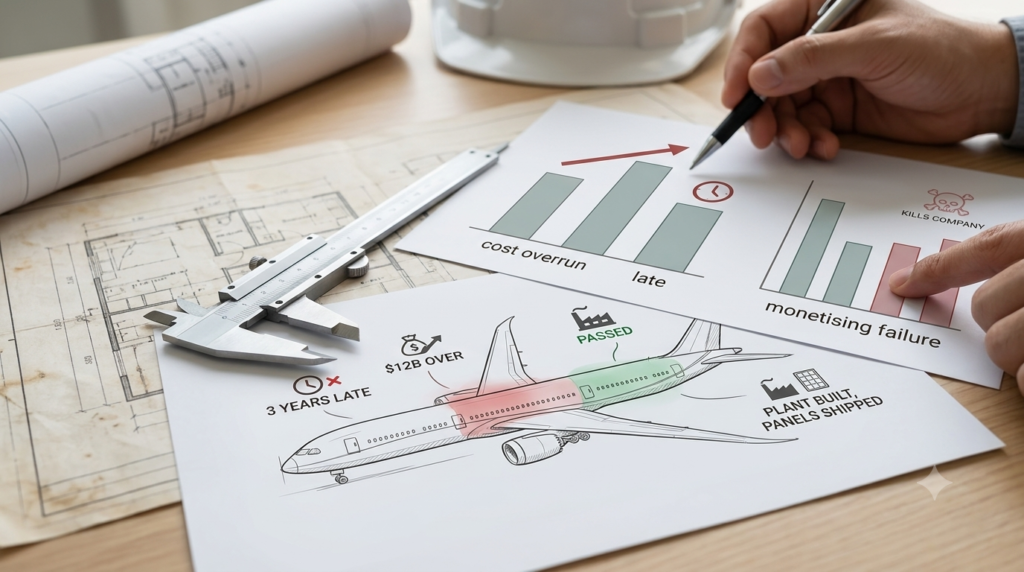
Most owners do the opposite. They buy in booms because that is when they have cash and confidence, borrowing heavily to expand. In a business where revenue can collapse by 94% in six months, debt becomes a ticking time bomb.
| Company | Collapsed | Cycle Position | Key Numbers |
|---|---|---|---|
| Genco Shipping | Apr 2014 | Post-2008 downturn | $1.5B debt vs $277M revenue |
| Hanjin Shipping | Aug 2016 | Container market slump | $5.37B debt, 850% Debt/Equity |
Net debt to EBITDA could not even be calculated because EBITDA had effectively disappeared. Debt against vanishing earnings tells the whole story.
When Hanjin failed, 92 ships carrying nearly $14 billion of cargo were stranded because ports refused entry without payment guarantees.
The wider casualty list included Excel Maritime, General Maritime, Overseas Shipholding, Mercator, Bharati Shipyard and ABG Shipyard.
Other players in the chain
Ports
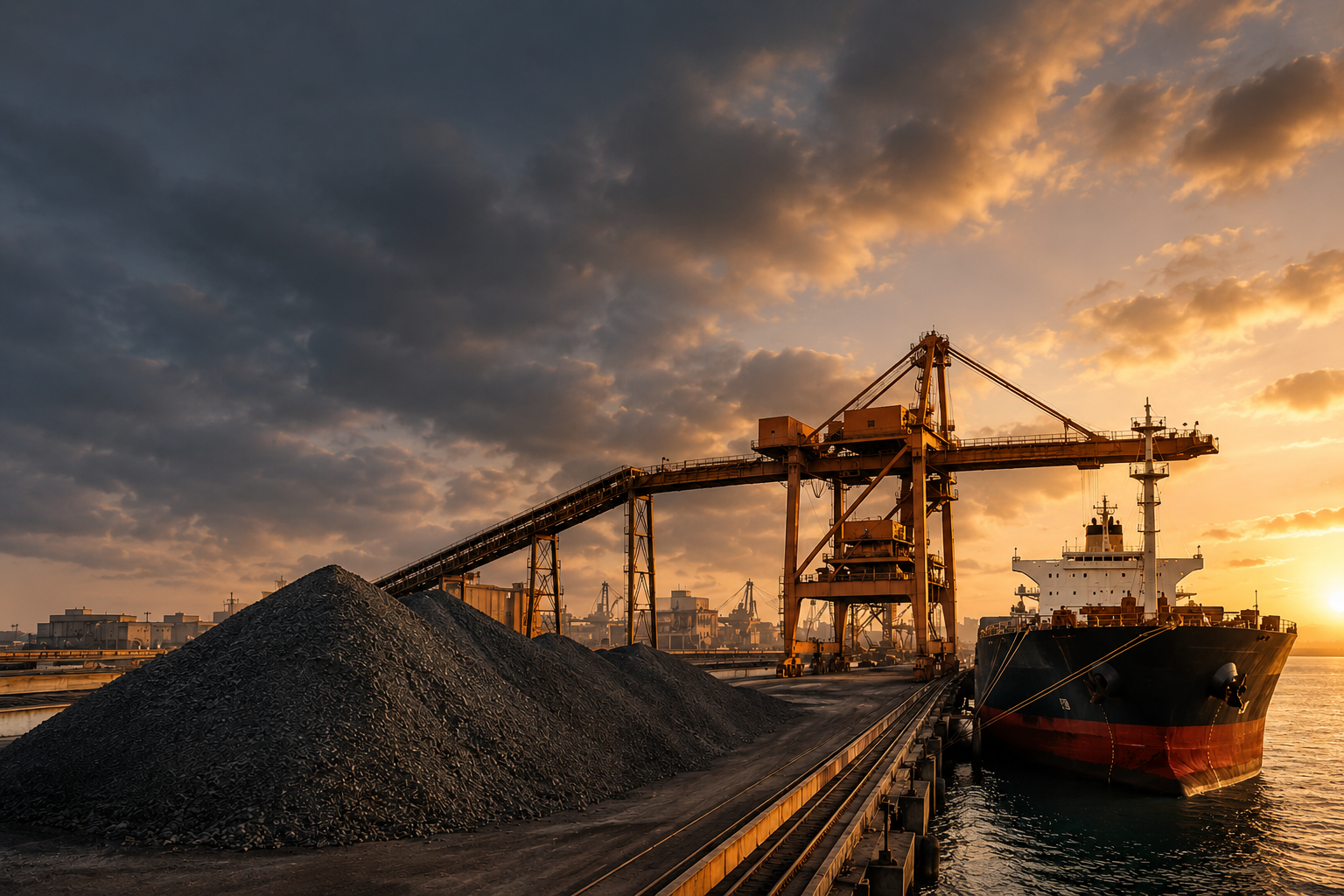
A port is a toll booth on the only bridge into a city. Ships can sail anywhere across the ocean, but cargo has only one way onto land.
Adani Ports handled around 450 million tonnes in FY25 while earning approximately ₹423 EBITDA per tonne, with a 61% EBITDA margin.
Container Lines
A bulk carrier is like a taxi. One customer hires the whole ship.
A container line is a bus network, operating fixed schedules with thousands of customers on every voyage.
Shipbrokers
The real estate agents of the sea. Clarksons earns roughly 1.25% commission regardless of freight rates.
Ship Managers
Professional operators who crew and maintain ships for roughly $10,000 per month per vessel.
Insurers
The P&I Clubs collectively insure about 90% of the world’s ocean-going fleet.
Classification Societies
Organizations such as DNV and Lloyd’s Register certify ships as seaworthy and insurable.
Cargo Owners
The steel mill, power plant or commodity trader ultimately pays freight.
A mill importing 12 million tonnes of iron ore sees every $5 movement in freight translate into approximately $60 million of annual cost.
Conclusion
One tonne.
$39 of tolls.
The smallest toll booth keeps the biggest share.
Watch the toll booths.
Sources & Honesty Notes
- Banchero Costa
- SteelOrbis
- MMi Daily Iron Ore Index
- Baltic Exchange
- Clarksons Research
- Trading Economics
- Business Standard
- Capital Market Reports
- MoneyMuscle Earnings Summaries
- Bloomberg
- MarineLink
- Flexport
- gCaptain